Choosing the Right Paint System for Snellville Commercial Buildings Based on Building Type
Picking the right commercial painting system is the difference between walls that look fresh for years and walls that scuff, peel, or stain after one busy season. In Snellville, GA, humidity, afternoon storms, and heavy spring pollen add extra stress to coatings. The right system protects your property, shortens downtime, and helps you avoid surprise repaints.
Below is a building-by-building guide trusted by facility managers, property owners, and tenants across Snellville, Grayson, Loganville, and nearby Gwinnett County communities. Use it to match coatings to real-world wear, cleaning needs, and local weather so your finish lasts longer and looks better.
Why Building Type Dictates Your Paint System
Every building works differently. Offices need quiet durability. Retail needs color pop and scuff resistance. Restaurants fight grease and steam. Warehouses take impacts and tire traffic. Medical spaces need cleanability and low odor. Multi-tenant properties must turn suites quickly and keep a uniform look. When you pair coatings with these demands, you get fewer touch-ups, faster cleanups, and longer repaint cycles.
Snellville's warm, humid summers and frequent thunderstorms can push moisture into masonry and cause chalking on sun-baked walls along Scenic Highway. Choosing breathable, flexible, and washable coatings that suit the space's use is the simplest, most reliable way to reduce callbacks and keep operations running.
Offices: Quiet Durability And Clean Edges
For offices in areas like Brookwood or near The Shoppes at Webb Gin, the goal is a calm, clean look that stands up to steady traffic. Interior walls do well with high-quality acrylic in eggshell or satin for easy cleaning without too much shine. In busy corridors and copy rooms, scuff-resistant acrylic enamel cuts down on black marks from carts and bags. Doors, frames, and trim benefit from a harder, waterborne urethane-acrylic in semi-gloss for better scratch resistance and wipeability.
Ceilings can be flat to hide minor flaws, but choose a premium product that resists burnishing during maintenance. With a solid prep and a targeted coating schedule, most office interiors can extend repaints to longer intervals and reduce disruptive after-hours work.
Retail Stores: Color Pop With Scuff Resistance
Retail along Highway 78 needs finishes that show products clearly and survive constant customer contact. Use scuff-resistant wall paint in satin or a tight eggshell to balance sheen and washability. For fitting rooms and cash-wrap walls that get touched every few minutes, a higher-scrub, stain-resistant acrylic lowers daily touch-up time. Back-of-house corridors and stock rooms can use a tougher coating that resists cart rub and quick wipe-downs.
Lighting shifts and seasonal displays can highlight flaws. Pick a finish with good hide and color retention so merchandising changes do not force repainting. Low-odor, low-VOC options allow after-hours work without a lingering smell the next morning, which helps stores open on time with a fresh look.
Restaurants: Moisture, Grease, And Sanitation
Food service spaces in Snellville face steam, oils, and frequent cleaning. Kitchen and dish areas need a hard, chemical-tolerant coating, often a waterborne epoxy or similar system designed for high-scrub, high-moisture walls. Dining rooms do well with a premium acrylic eggshell that wipes clean without flashing. Restrooms benefit from moisture-resistant, mildew-resistant finishes and careful caulking at transitions.
Ceilings near cook lines often require stain-blocking primers to lock in old smoke or water stains before the topcoat. Choosing washable, tighter-film coatings means crews can clean more often without wearing through the finish. That keeps health inspections smoother and the dining experience consistent.
Warehouses And Light Industrial: Toughness And Safety
In Snellville's business parks, walls take hits from pallets and forklifts, and floors battle tire abrasion. Concrete masonry unit walls perform well with a block filler to smooth pores, followed by a durable acrylic topcoat for easy washdowns. For exteriors, elastomeric coatings can help bridge hairline cracks on stucco or CMU and resist wind-driven rain, which is useful during our summer storms.
Floors often call for a resinous system where allowed, such as a high-solids epoxy base with a urethane wear coat for abrasion and UV resistance near loading doors. Safety striping and color zoning improve visibility. Prep is critical: degreasing, shot-blasting where required, and moisture testing help ensure the system adheres and cures as expected.
Medical Facilities: Hygiene And Patient Comfort
Clinics, dental offices, and outpatient centers around Snellville need finishes that tolerate frequent cleaning with disinfectants while keeping odors low. Select high-scrub, stain-resistant acrylic or specialized healthcare wall coatings that are smooth, non-porous, and easy to sanitize. In waiting rooms and corridors, scuff-resistant finishes reduce black marks from wheelchairs and gurneys and help maintain a calm, cared-for environment.
Low-odor, low-VOC products help teams paint after hours so spaces are fresher by morning. Where equipment bumping is common, add an extra coat on lower walls or install protective rails so the paint system lasts longer between refreshes.
Multi-Tenant Properties: Uniform Standards And Fast Turnovers
Strip centers, office condos, and apartment common areas benefit from a standard palette and sheen schedule. A balanced eggshell or satin on walls provides a uniform look that still cleans well. In entries, elevators, and mail areas, scuff-resistant enamel reduces frequent touch-ups. Quick-dry, low-odor systems help you turn suites faster after a tenant move-out without strong smells bothering neighbors.
To avoid visible patchwork, keep detailed records of manufacturer, color, and sheen for each property. That consistency saves labor on every turnover and keeps the entire property feeling cohesive.
Local tip: Snellville's spring pollen coats surfaces with a fine yellow dust. Schedule exterior painting after peak pollen and plan a gentle wash before coating so the finish bonds cleanly and looks sharper.
Exterior Systems For Snellville Buildings
Our climate swings from hot, sunny afternoons to sudden downpours. For stucco and CMU, high-build acrylic or elastomeric systems can help seal hairline cracks while still letting walls breathe. On older, chalky paint, thorough washing and a bonding or masonry primer are key to stop peeling.
On metal facades, choose a direct-to-metal acrylic with rust-inhibitive primer after proper cleaning and tight rust removal. For wood trim and storefronts, quality acrylic latex with a proper primer resists UV fading and swelling from humidity. Moisture testing before coating masonry is critical if there is any sign of dampness, efflorescence, or interior leaks. Address sources of water first, then coat.
Sheen, Color, And Indoor Air Quality Choices
Sheen affects both look and maintenance. Flat hides flaws but soils faster, so reserve it for ceilings and low-touch spaces. Eggshell and satin balance easy cleaning with a soft look for most walls. Semi-gloss is best for trim and high-touch doors. Avoid flat finishes in high-traffic corridors where frequent cleaning will burnish or show shiny paths over time.
Bright colors can fade faster in direct sun, especially on south and west exposures. Choose color lines with good UV resistance for exterior accents along Scenic Highway or Ronald Reagan Parkway corridors. For interior work done while open, use low-odor, low-VOC coatings when painting during business hours so staff and customers stay comfortable.
How The Right System Lowers Repainting Costs
Cost control is not just about the price of a gallon. It is about how long the finish performs and how little it disrupts your operation. A well-matched paint system reduces repaints in four ways:
- Durability that resists scuffs and stains, so you touch up less often.
- Washability that stands up to routine cleaning without dulling or wearing through.
- Moisture resistance that prevents blistering and peeling after storms.
- Stable color and sheen that keep walls looking new, even under harsh lighting.
When facilities need fewer service visits and shorter shutdowns, you save on labor and lost productivity. Longer cycles mean you can plan repainting during natural lulls rather than scrambling after a failure.
Maintenance Planning By Building Type
A simple plan preserves your finish and spreads out costs in a predictable way. Here is a baseline schedule you can tailor to your property:
- Offices: Quarterly wall wipe-downs in corridors; annual inspection of door edges and frames for chips.
- Retail: Monthly scuff patrol near fitting rooms and cash wraps; seasonal touch-ups before peak shopping periods.
- Restaurants: Weekly wash in splash zones; semiannual check of stain-blocked ceilings and restroom ventilation.
- Warehouses: Monthly check of impact points; annual review of safety striping and high-bay walls for dust buildup.
- Medical: Daily cleaning routines; quarterly review of high-touch areas and chair-rail zones for nicks.
- Multi-tenant: Suite turnover touch-up kits; annual common-area refresh where traffic is heaviest.
Document the products, colors, and sheens for each building. Keep a small labeled touch-up kit on site. That simple practice can shave hours off each repair and keep your look consistent.
Specification Checklist You Can Use Today
Use this short checklist when you scope your next project in Snellville:
1) Identify building type and heaviest wear zones. 2) Note cleaning chemicals used by your janitorial team. 3) Confirm moisture, especially on exterior masonry after storms. 4) Pick sheen by touch level and lighting. 5) Choose low-odor, low-VOC if painting during open hours. 6) Schedule around pollen spikes and afternoon storm windows. 7) Record product, color, and sheen for future touch-ups.
Prep Is Half The Finish
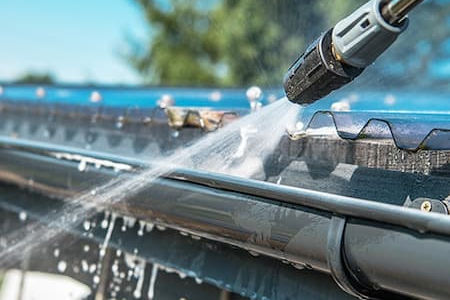
Even the best coating fails on a dirty or failing surface. Pressure wash exteriors with care, let them dry, and spot-prime chalky or bare spots. Inside, fill dings, caulk gaps, and sand glossy areas so new paint gets a firm bite. These steps take time, but they are the cheapest insurance you can buy for a long-lasting finish.
Talk With A Local Snellville Painting Specialist
Every property is unique, from a boutique at The Shoppes at Webb Gin to a distribution bay near Lenora Church Road. Affordable Painting & Power Washing helps owners and managers match coatings to traffic, cleaning, and weather so finishes last longer with fewer surprises. We are happy to review your space, inspect existing paint, and suggest a system that balances durability, washability, and appearance.
Ready to specify the right commercial paint system in Snellville? Call 770-736-2622 to schedule a walk-through with Affordable Painting & Power Washing today.