Entry Sign Pressure Washing: Our Proven Process
We combine know-how, purpose-built equipment, and safe solutions to renew signs without risk. Here is how a typical project runs from start to finish:
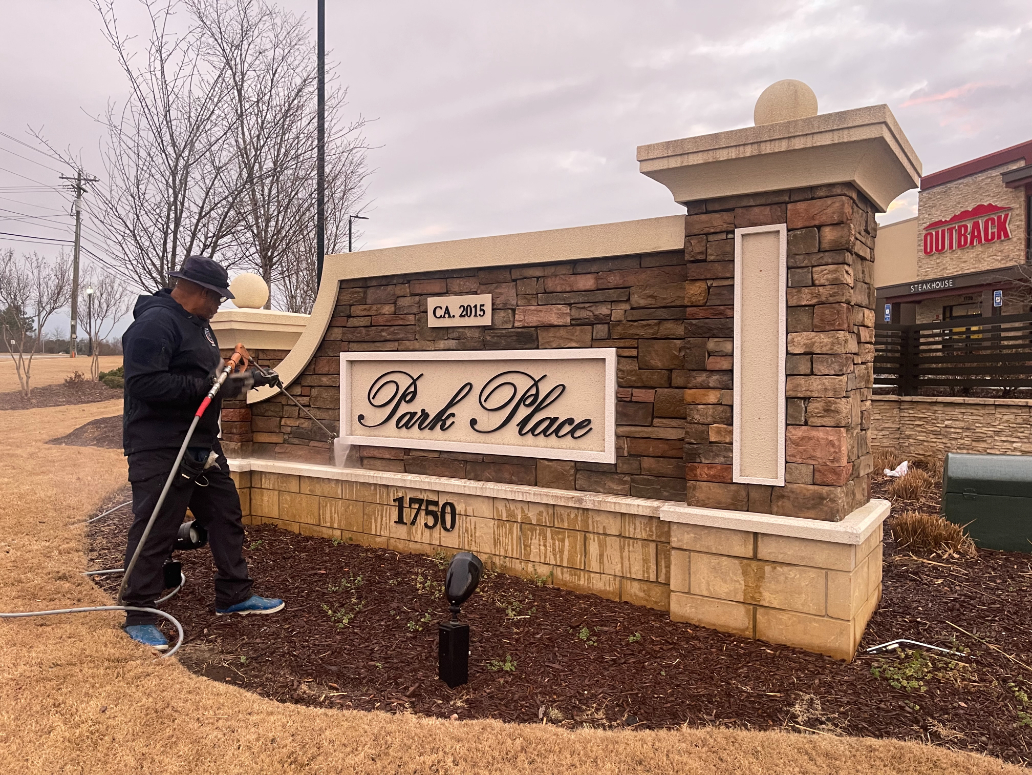
- Assessment and Protection: We identify the sign material, inspect grout and joints, test a small area, and cover lights, cameras, and nearby plantings.
- Detergent Selection: We choose biodegradable cleaners that break down organic growth and road film without harming coatings or landscaping.
- Precision Application: Low-pressure or soft-wash delivery allows detergents to dwell long enough to lift stains from porous surfaces like brick and cast stone.
- Controlled Rinse: We rinse at the right angle and distance to avoid driving water into seams or under laminated faces while clearing residue fully.
- Detailing and Post-Treatment: Stubborn rust, efflorescence, or tannin marks get spot treatment, and we finish with a gentle rinse for a uniform, streak-free result.
Care tips we share on-site include adjusting sprinklers to avoid overspray, trimming shrubs that trap moisture on sign bases, and scheduling seasonal cleanings after peak pollen to maintain brightness with fewer deep treatments.
Surfaces And Sign Materials We Clean Safely
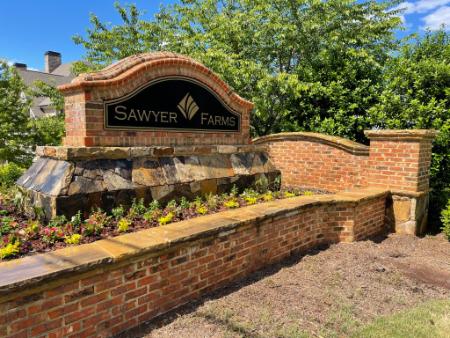
Entry monuments and marquees come in many builds, and each one needs a specific approach. Our team understands how masonry density, coatings, and joint integrity affect cleaning methods, so we match the process to your exact sign. Whether your monument is a traditional brick-and-capstone build or a modern, painted stucco structure with illuminated channel letters, we methodically remove grime without lifting paint or loosening mortar.
- Brick, split-face block, and cast stone with limestone caps
- Painted or elastomeric-coated stucco and EIFS facades
- Engraved granite, marble, or slate panels
- Metal panels, aluminum cabinets, and vinyl or acrylic faces
- Dimensional letters, gold leaf details, and routed HDU sign panels
- Concrete sign bases, knee walls, and decorative pillars
We also address problem stains specific to signage, such as sprinkler rust, algae bands along caps, oxidized chalking on painted surfaces, and tire scuffs near low walls. When appropriate, we recommend protective sealers or coating touch-ups to extend the clean finish between services and to make future rinses quicker and gentler.
Local Tip: After peak spring pollen, a quick rinse within a week prevents yellow film from baking onto porous stone and reduces the need for harsher cleaning later in the season.
Local Conditions That Affect Entry Sign Cleaning
Our area sees heavy spring pollen that clings to textured masonry, muggy summers that fuel mildew and algae on shaded faces, and red clay splashes from beds that can stain grout lines. Afternoon storms kick up road film, while irrigation overspray leaves mineral and rust spots. These factors call for gentle detergents that neutralize organic growth, spot removers for iron deposits, and patient rinsing that respects coatings and joints.
For reliable curb appeal at busy entrances, our entry sign pressure washing keeps monuments looking crisp across Metro Atlanta.
Because signage sits at traffic arteries, we plan work during low-traffic windows and coordinate with security gates and lighting controls when needed. If your sign integrates LED cabinets or halo-lit letters, we shield electrical components and test them before and after cleaning for peace of mind.